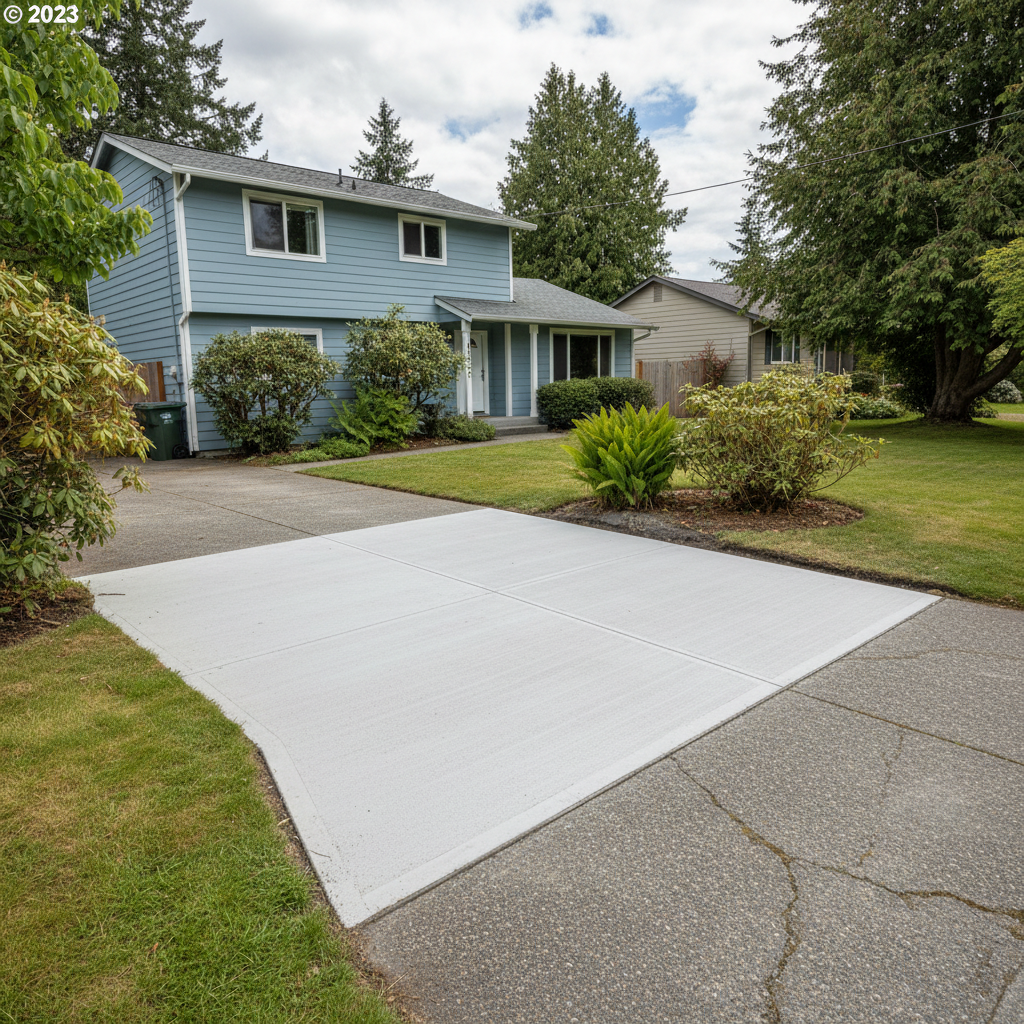
Nobody likes seeing cracks in their driveway or patio. It's an eyesore, sure, but it can also trip someone up or even point to bigger problems brewing underneath. If you're in Bothell and you're dealing with concrete damage, you're probably wondering what it's going to cost to fix. I totally get it. You want straight answers, not some vague estimate. So, let's really dig into the nitty-gritty of concrete repair pricing.
What Makes Concrete Repair Costs Go Up or Down?
A few big things really push the price one way or the other. It's definitely not just about how big the crack is, believe me.
- The Kind of Damage: A tiny hairline crack is completely different from a slab that's sunk two inches. Surface spalling – that's when the top layer flakes off – is one thing; structural cracks that go all the way through are another beast entirely. Simple crack filling or sealing is usually the cheapest fix. Slab jacking (also called concrete lifting, or mudjacking/polyjacking) for uneven slabs is a lot more involved. And a full replacement of a section? That's the priciest option.
- How Big and Deep the Repair Is: This one's pretty obvious, right? A small patch job on a 2x2 foot section of sidewalk will cost less than fixing a 20-foot driveway crack. The deeper the damage, the more material and labor it'll take.
- Accessibility: Can our crew and equipment get right up to the spot? Or do we have to hand-carry bags of concrete mix down a narrow path behind your house? If it's a tight squeeze or needs special access, that just adds time and effort.
- Site Prep & Cleanup: Sometimes we've got old concrete to break up and haul away, or landscaping that needs protecting. We always factor in the time it takes to get the site ready and then clean it up properly when we're done.
- Materials Used: For simple crack repairs, we might use a flexible sealant or a patching compound. When we're lifting a slab, we're using specialized polyurethane foam or a cementitious slurry. For full replacements, it's all about the quality of the concrete mix and any rebar or mesh that's needed. Higher quality, longer-lasting materials usually cost a bit more upfront but, honestly, they save you a ton of headaches later.
Typical Cost Ranges You Might See in Bothell
Look, I can't give you an exact number without seeing the job firsthand. But I can give you some realistic ranges for common repairs. These numbers cover labor and materials, but they don't include things like permits if you happen to need one (which is rare for small repairs, but can happen for larger structural work).
- Hairline Crack Filling/Sealing: For minor, non-structural cracks on a driveway or patio, you're usually looking at about $3 to $8 per linear foot. So, a 10-foot crack might run you $30-$80. This is a quick fix to stop water from getting in.
- Patching Spalled or Chipped Areas: For areas that are flaking or have small divots, expect to pay around $5 to $15 per square foot. A 10 sq ft area might be $50-$150. This can really vary a lot depending on how deep the damage is and what kind of prep work it needs.
- Slab Lifting (Polyjacking/Mudjacking): This is for concrete that's uneven or has sunk. The cost depends heavily on the size of the void and how much material we need. Generally, you're looking at $500 to $2,000 per slab or section for smaller jobs, like a sidewalk panel or a small patio section. A larger driveway section could easily be $1,500-$4,000+. This is often way cheaper than replacing the whole thing.
- Sectional Concrete Replacement: If a section is just too far gone and needs to be cut out and replaced, it's more. For a typical 4-inch thick concrete slab, expect $10 to $20 per square foot. This price includes demolition, hauling away the old stuff, new material, and finishing. So, replacing a 50 sq ft section of a sidewalk could be $500-$1,000. For a larger driveway section, that number climbs pretty quickly.
Remember, these are just rough numbers. If you live in an older Bothell neighborhood, say, up on Norway Hill, sometimes the soil conditions can be a bit trickier, which might add a touch to the complexity of slab lifting, for example.
What Should Be in Your Quote?
When Sunrise Concrete Solutions gives you a quote – or anyone else, for that matter – make sure it's super detailed. You really don't want any surprises later.
- Scope of Work: This should clearly state exactly what's being repaired, how, and with what materials.
- Measurements: Linear feet for cracks, square footage for patching or replacement, and the number of slabs for lifting.
- Preparation: What steps will the crew take before starting the repair? (e.g., cleaning, grinding, demolition).
- Materials: Specifics on the type of sealant, patching compound, concrete mix, or lifting material.
- Labor Costs: Often rolled into the total, but it's good to know it's covered.
- Cleanup & Disposal: Confirmation that all debris will be removed and the site left tidy.
- Warranty: What kind of guarantee do they offer on their work?
- Total Cost: The final price, with no hidden fees.
How to Avoid Overpaying for Concrete Repair
It's your hard-earned money, so be smart about it.
- Get Multiple Quotes: Don't just go with the first guy who shows up. Get at least three detailed quotes from reputable local contractors. This helps you compare apples to apples, you know?
- Ask Questions: If something in the quote isn't clear, just ask. A good contractor will take the time to explain it to you.
- Check References & Reviews: See what other folks in Bothell have to say about their work. Online reviews are a good start, but personal references are even better.
- Don't Jump on Scare Tactics: If someone tells you your whole house is going to fall down tomorrow if you don't sign right now, be wary. Seriously, get a second opinion.
- Understand the Problem: Ask the contractor to explain why the damage happened. If you fix the symptom but not the actual cause (like poor drainage), you'll just be repairing it again soon.
- Prioritize Repairs: Not every crack is an emergency. Some are cosmetic, others are structural. Understand which ones need immediate attention and which can wait a bit.
Concrete repairs don't have to break the bank, but you do need to be informed. Do your homework, ask the right questions, and you'll get a fair price for a job done right.