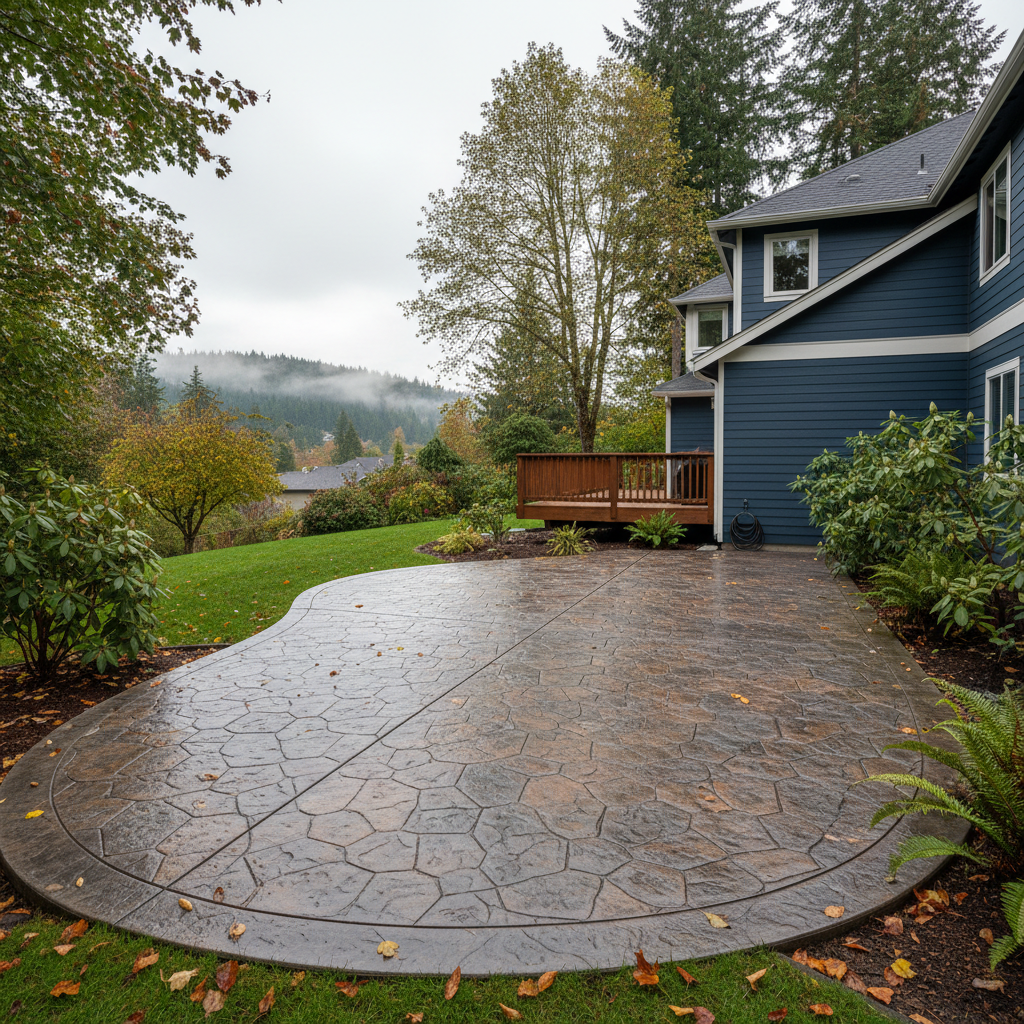
You're thinking about a new stamped concrete patio or walkway, that's great. It adds a ton of curb appeal and can really transform your outdoor space. But here in Bothell, getting it done right means paying attention to the calendar and the weather. It's not just about picking a pattern; it's about timing.
When's the Best Time for Stamped Concrete in Bothell?
Honestly, the sweet spot for pouring concrete around here is late spring through early fall. Think May, June, July, August, and maybe early September. Why then? Because concrete needs consistent temperatures to cure properly. It's not just about being warm, it's about avoiding extremes.
If it's too cold, the concrete cures too slowly, or not at all, and you end up with a weak product. If it's too hot, it can dry out too fast, leading to cracking and a weaker surface. Our typical Bothell summers, where it's warm but not scorching, with fewer sudden downpours, are ideal. You want temperatures generally above 50°F and below 85°F for a good, strong cure.
We've done pours in other seasons, sure, but it involves a lot more careful planning, sometimes using admixtures, and definitely more protection for the fresh concrete. It's usually more expensive and frankly, you get a better result when conditions are naturally favorable.
Weather Conditions That Affect the Job
Beyond just temperature, there are a few other weather factors we're always watching:
- Rain: This is a big one. You absolutely cannot pour concrete in the rain. It washes out the cement paste, weakens the mix, and ruins the surface finish. If rain is in the forecast, we'll reschedule. It's a pain, I know, but it's better than a ruined job.
- Wind: Too much wind can dry out the surface of the concrete too quickly, even if the air temperature isn't that high. This can lead to plastic shrinkage cracking. We'll often put up windbreaks or use curing compounds to mitigate this, but calm days are always preferred.
- Humidity: High humidity can slow down the drying process, which isn't always bad, but it means we have to be patient with finishing. Low humidity, especially with wind, can speed it up too much.
We're constantly checking the forecast, sometimes right up until the morning of the pour. It's a balancing act to make sure everything lines up perfectly for a quality installation.
Year-Round Protection for Your Investment
Once your stamped concrete is in, you'll want to protect it. Our Bothell climate, with its wet winters and occasional freezes, can be tough on concrete if you don't take care of it. Here’s what I recommend:
- Seal It Regularly: This is probably the most important thing you can do. A good quality sealer protects against moisture penetration, freeze-thaw cycles, staining, and UV damage. I tell folks to reseal every 2-3 years, depending on traffic and exposure. You'll know it's time when water stops beading up on the surface.
- Clean It: Regular cleaning with a hose and a mild detergent (nothing harsh or acidic) will keep it looking good. Get rid of leaves and debris, especially in the fall, because decaying organic matter can stain the surface.
- Watch for De-icers: Be super careful with de-icing salts in the winter. Many common de-icers contain chemicals that can damage concrete, especially new concrete or concrete that hasn't been properly sealed. Sand is a much safer alternative for traction. If you absolutely have to use a de-icer, look for ones labeled 'concrete-safe' or 'magnesium chloride' based, but even then, use sparingly.
- Avoid Heavy Loads: While concrete is strong, don't park heavy equipment or vehicles on your stamped patio unless it was specifically designed for that load.
Taking these steps will help your stamped concrete from Sunrise Concrete Solutions look fantastic and last for decades. It's an investment, and a little maintenance goes a long way to protecting it. If you've got questions about sealing or anything else, just give us a call. We're happy to talk you through it.