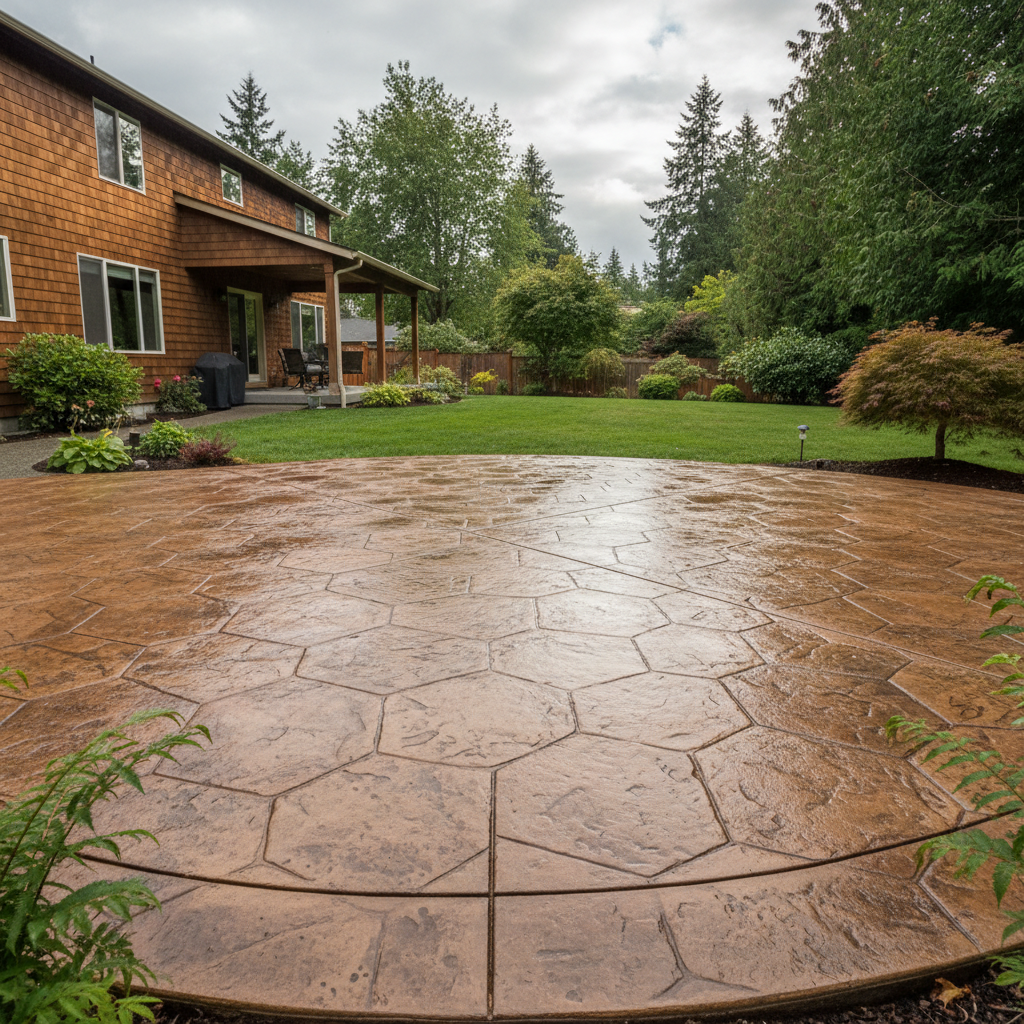
You've invested in stamped concrete, whether it's a patio, walkway, or driveway. Good choice! It looks fantastic and adds real curb appeal. But here's the deal: it's not a 'set it and forget it' kind of thing, especially with our Bothell weather. If you want that beautiful finish to last, you've got to give it some attention. Think of it like maintaining your car – a little preventative care goes a long way.
Why Maintenance Matters for Your Stamped Concrete
Look, concrete is tough, but it's not invincible. Stamped concrete has a top layer, often sealed, that protects the color and texture. Over time, that seal wears down, and if you let it go, you're opening the door to bigger problems. Washington's climate, with its constant dampness, moss, and freeze-thaw cycles, is particularly hard on outdoor surfaces. We see a lot of homes in areas like Canyon Park and Thrasher's Corner where neglected concrete starts to show its age fast.
Regular Maintenance: What You Need To Do
This isn't rocket science, but it is consistent work. You'll thank yourself later.
- Keep it Clean: This is probably the most important thing. Sweep off leaves, dirt, and debris regularly. Don't let organic matter sit on the surface, especially during our wet seasons. That stuff holds moisture and encourages moss and mildew growth, which can eat away at your sealer and even stain the concrete.
- Gentle Washing: A simple garden hose and a soft-bristle brush are usually all you need for routine cleaning. For tougher spots, a mild detergent (like dish soap) and water will do the trick. Rinse thoroughly.
- Pressure Washing (Carefully!): You can use a pressure washer, but be smart about it. Keep the nozzle moving, use a wide-angle tip (like a 25-degree or 40-degree fan tip), and don't get too close to the surface. Too much pressure or holding it in one spot can damage the sealer and even etch the concrete itself. If you're not comfortable, don't do it.
- Resealing is Key: This is your stamped concrete's raincoat. Most stamped concrete needs to be resealed every 2-3 years, sometimes more often if it gets heavy traffic or is exposed to harsh conditions (like constant sun or shade that encourages moss). A good quality acrylic sealer protects against moisture, UV rays, and abrasion. When you see the water stop beading up on the surface, it's definitely time to reseal. Before resealing, make sure the surface is completely clean and dry.
Warning Signs: Don't Ignore These!
Your concrete will tell you when it's unhappy. Pay attention to these signals:
- Fading Color: If your vibrant colors are starting to look dull or washed out, your sealer is likely gone, and the sun is getting to your pigments. This is a clear sign it needs resealing ASAP.
- White Haze or Peeling: This usually means the sealer wasn't applied correctly, or it's breaking down. It could be moisture trapped underneath or too many layers of sealer. This needs professional attention to fix without damaging the concrete.
- Moss, Algae, or Mildew: A little bit of green is normal in Bothell, but if it's widespread and hard to clean off, your sealer isn't doing its job anymore. These growths hold moisture and can make surfaces dangerously slippery.
- Cracks or Spalling (Flaking): Small hairline cracks can happen, but larger, spreading cracks or concrete flaking off the surface are serious. Spalling is often caused by water getting into the concrete and freezing, then expanding. This is a structural issue and needs a pro to assess.
- Pitting: Small holes or pockmarks on the surface. This can be from de-icing salts or poor concrete quality, and it's a sign of surface deterioration.
When to Call a Professional
Look, I'm a contractor, not just a blogger. Sometimes, you need an expert. Here's when to pick up the phone:
- Major Cracks or Uneven Surfaces: If your concrete is cracking significantly, sinking, or becoming a trip hazard, it's beyond DIY. We can assess the cause and recommend the best repair, whether it's patching, grinding, or replacement.
- Extensive Sealer Failure: If you've got widespread peeling, hazing, or a sealer that just won't adhere, it's a tricky fix. Stripping old sealer is a specialized job, and doing it wrong can mess up your concrete.
- Deep Stains You Can't Remove: Some stains, especially oil, rust, or deep organic stains, require specific cleaning agents and techniques that aren't available to the average homeowner.
- You're Not Sure What To Do: Honestly, if you're feeling overwhelmed or just want it done right, call us. We've seen it all. We can clean, reseal, and repair your stamped concrete, making sure it's done correctly for our specific climate. At Sunrise Concrete Solutions, we stand by our work, and we'd rather help you maintain it than have to replace it prematurely.
Taking care of your stamped concrete isn't glamorous, but it's essential. A little effort now saves you a lot of headaches and money down the road. Keep it clean, keep it sealed, and if you see trouble, don't wait. Your beautiful patio will thank you.